
Rybakina vs Sabalenka: Power Meets Poise in a US Open Heavyweight Final.There are tennis matches that need selling, and then there are matches like Elena Rybakina vs Aryna Sabalenka.
Two enormous serves. Two devastating first-strike games. Two players capable of taking the racquet out of virtually anyone’s hands. And the US Open title on the line.
The 2026 women’s final brought together the top two players in the world in a matchup that felt less like a conventional baseline contest and more like heavyweight boxing conducted with racquets.
Sabalenka brought the fire.Rybakina brought the ice.And on Arthur Ashe Stadium, something had to give.
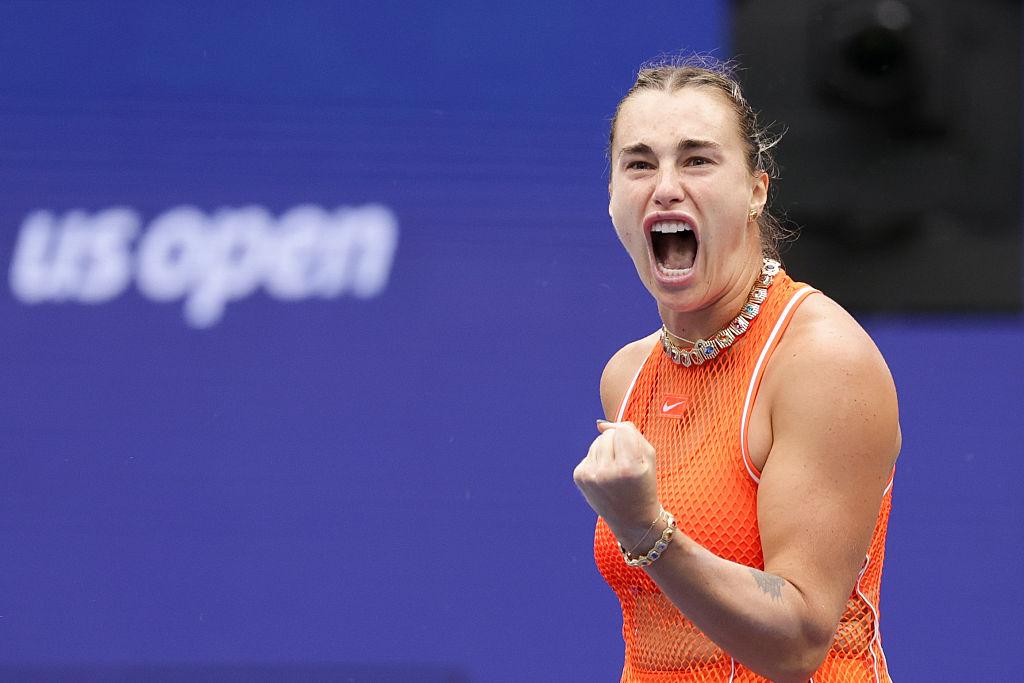
By the time Sabalenka reached the final, the US Open had become her territory. She was appearing in her fourth consecutive final in New York, having won the previous two championships. Through six rounds in 2026, she had dropped only one set.
Her semifinal was another statement. Jessica Pegula pushed her early, but once Sabalenka found her range, the match changed quickly. She powered through 7–5, 6–2, reaching the final having spent fewer than nine hours on court.That mattered.
Sabalenka arrived fresh, confident and playing on a court that rewards precisely what she does best: serve big, take the ball early and apply relentless pressure.
When Sabalenka gets on top of the baseline, points can disappear frighteningly quickly.
The question was whether Rybakina would allow her to get there.
Rybakina: The Perfect Antidote?If there is one player built to withstand Sabalenka’s power, it may be Rybakina.Her game is almost unnervingly economical. There is very little wasted movement. Very little visible emotion. No theatrical buildup before the strike.
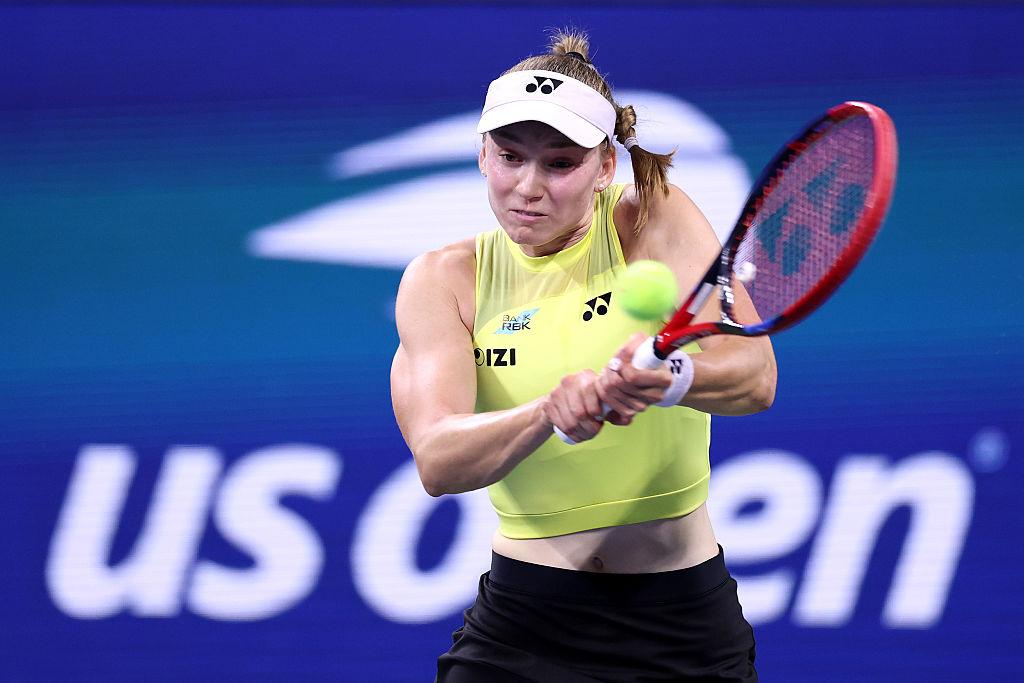
Then the ball explodes off the racquet. Her serve gives her something precious against Sabalenka: the ability to start points on her own terms.
That is particularly important because Sabalenka is at her most dangerous when she can immediately attack a vulnerable second serve and turn the return into the opening shot of an offensive sequence.Rybakina can deny her those opportunities. She had already proved it on one of tennis’s biggest stages.
Earlier in 2026, Rybakina defeated Sabalenka in three sets to win the Australian Open, giving her an important psychological reference point entering another Grand Slam final against the world No. 1.
Her route through New York had required considerably more resistance. In the semifinal, Coco Gauff took the opening set before Rybakina methodically turned the match around, eventually winning 3–6, 6–4, 6–4.
It wasn’t effortless.It was arguably more revealing than that.
Fire vs Ice
The stylistic contrast made this final irresistible.Sabalenka plays tennis with visible electricity. She celebrates, roars, reacts and attacks. Her best tennis feels overwhelming because every shot seems to make the court smaller for the opponent. Rybakina operates at a different temperature.
Watch her between points and you might struggle to determine whether she has just hit an ace or missed a routine forehand. But the apparent serenity disguises an extraordinarily destructive game.
That contrast—Sabalenka’s fire against Rybakina’s poise—was more than a convenient storyline. It was potentially decisive.
A final between two players this powerful was always likely to contain short bursts that determined entire sets. A poor service game. Two loose second serves. One return winner at 30–30.
The player who handled those moments better could suddenly have the trophy within reach. The Battle Behind the Baseline.The obvious temptation was to call this a serving contest.
It was more complicated than that. Both women want essentially the same thing: a strong serve followed by an immediate first-strike groundstroke.
The serve creates the weak reply.The next ball does the damage.
So the real tactical contest began with the return.Sabalenka needed to put enough pressure on Rybakina’s second serve to prevent her from settling into comfortable patterns. If Rybakina repeatedly started points defensively, Sabalenka could step inside the baseline and dictate.
Rybakina’s task was almost the mirror image.She needed to neutralise Sabalenka’s first burst of power, keep the world No. 1 from dominating the centre of the court and make her hit additional balls.
Because there is an important difference between Sabalenka attacking and Sabalenka having to keep attacking.The longer the latter continues, the more interesting the match becomes.
The rivalry supported the idea that this could go anywhere.
Sabalenka held the overall advantage entering the final, but their hard-court encounters had been remarkably close. Their 2026 season alone had already produced several significant chapters.
Rybakina took the Australian Open final.Sabalenka answered by beating her at Indian Wells and Miami.
Now came New York.The biggest variable wasn’t whether either player possessed enough firepower.
Obviously they did.It was who could protect her second serve, control the first two shots of the rally and remain composed when the margins became microscopic.
On paper, there was barely anything separating them. Sabalenka deserved the narrowest edge.Her extraordinary record in New York, easier passage through the tournament and comfort under the lights of Arthur Ashe made her the marginal favourite.
But there was a substantial caveat.Rybakina might have been the worst possible opponent for her.
She possesses enough serving power to prevent Sabalenka from feasting on returns, enough baseline weight to meet power with power and—perhaps most importantly—the temperament to remain remarkably undisturbed when Sabalenka begins generating momentum.This was never going to be about intimidation.
Rybakina doesn’t intimidate easily.And Then Rybakina Took It
The final ultimately delivered the battle the matchup promised.Rybakina took the opening set 6–4.
Sabalenka responded like a champion, taking the second 7–5 and forcing the US Open title into a deciding set.Then the balance shifted.Rybakina broke clear.
The woman who so rarely gives anything away emotionally began taking the match away physically, powering through the third set 6–2 to complete a 6–4, 5–7, 6–2 victory.
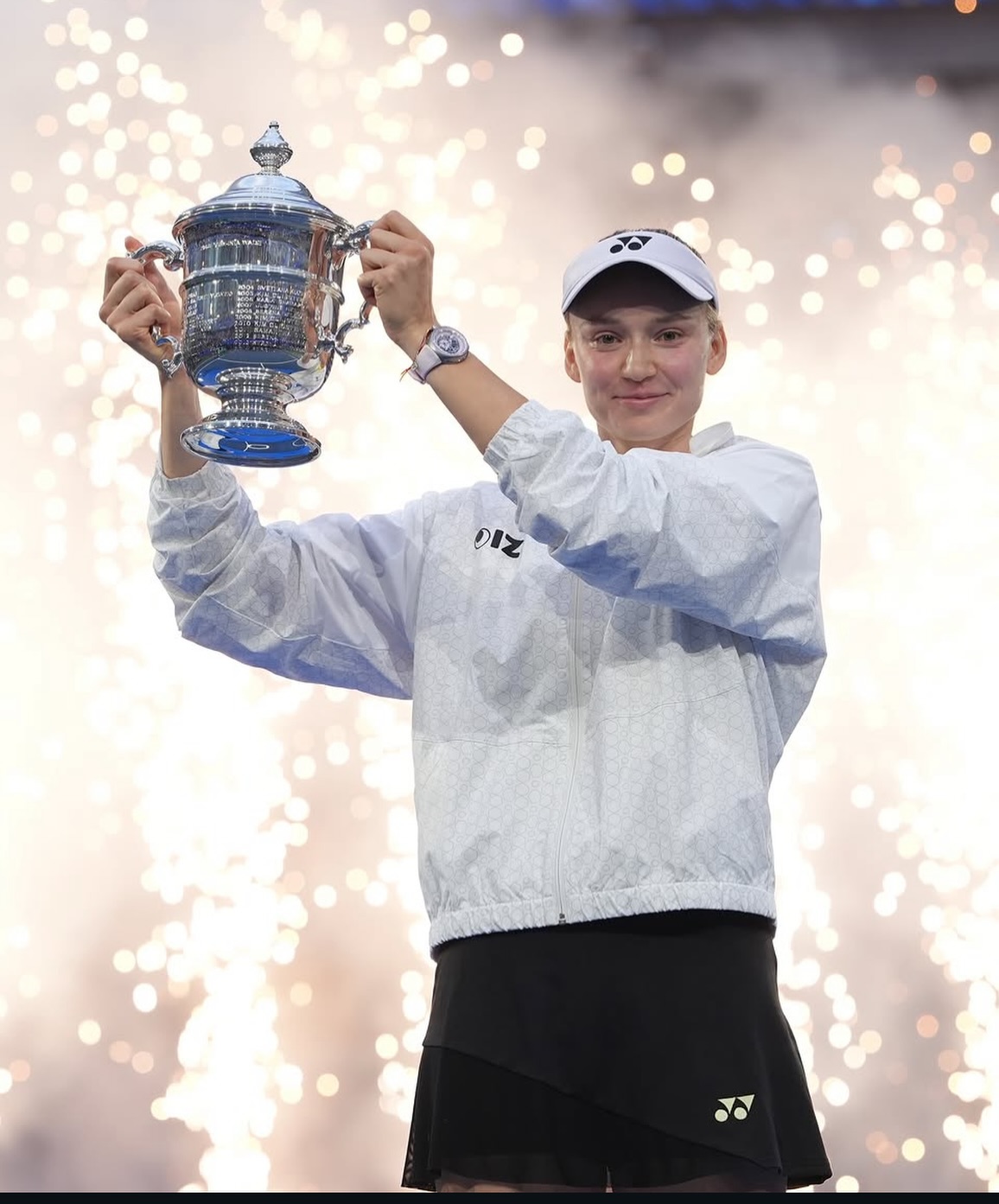
The result gave Rybakina her first US Open title, her third Grand Slam championship and the world No. 1 ranking.
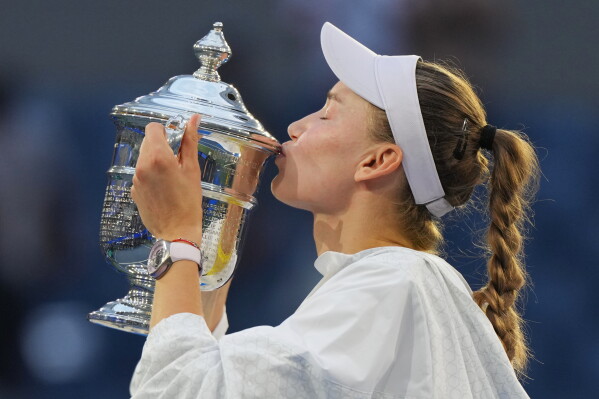
It also stopped Sabalenka from winning a third consecutive title in New York.
There was something fitting about the way it ended.
Against perhaps the most visibly explosive player in women’s tennis, Rybakina didn’t need to become louder.
She simply became better.
Fire met ice on Arthur Ashe.
Ice didn’t melt.