

# Africa Deserves Formula 1 — and More Than a Weekend in the Spotlight
*Rwanda’s Grand Prix deal raises a bigger question for world sport: what should hosting success look like for the people who live there?*
Formula 1’s planned return to Africa deserves a welcome. It also deserves difficult questions.
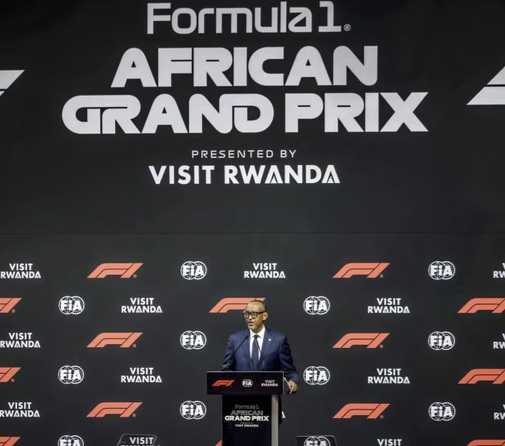
The sport has announced a ten-year agreement for Rwanda to host an African Grand Prix from the early 2030s. It would bring Formula 1 racing back to the continent for the first time since 1993. For African supporters, that is a significant breakthrough after decades of watching the championship travel elsewhere.
But securing a place on the calendar should begin the conversation about public benefit, rather than settle it.
There is a powerful case for bringing major sporting events to Africa. Supporters deserve opportunities to experience the competitions they follow. Young people should be able to imagine careers in the industries surrounding those competitions, whether in engineering, broadcasting, hospitality or event management.
Yet possibility is easy to advertise. Delivering it requires decisions that rarely feature in a launch ceremony.
Who gets the construction contracts? Will local businesses have a realistic chance to supply the event? Can residents afford to attend? What training will help young workers move into skilled, permanent jobs?
Those questions deserve answers before the first ticket goes on sale.
A Grand Prix can attract international attention. Turning that attention into lasting opportunity takes planning, transparent spending and institutions willing to report disappointing results as honestly as successful ones.
The strongest legacy would be visible in ordinary working lives: an apprentice gaining a recognised qualification, a local supplier winning repeat business, or a young mechanic finding a route into professional motorsport. Those outcomes may produce less dramatic television than a starting grid, but they matter long after the broadcast ends.
There is also a political debate that cannot be waved away. Human rights groups have criticised Rwanda’s hosting ambitions as sportswashing. That scrutiny belongs in the discussion alongside the potential economic benefits. Supporting Africa’s inclusion in global sport does not require supporters to suspend their judgement about a host government.
Sporting organisations should be able to explain their choices publicly. Host governments should be prepared to account for public commitments. Neither obligation disappears because an event is popular.
The same standard should apply across the sporting world. Every host should face serious questions about costs, rights, access and the use of facilities after the crowds leave. African countries deserve equal opportunity to host, and citizens deserve the same right to scrutinise the bill.
For Rwanda, the years before the proposed race offer a chance to make those commitments concrete. Publish clear targets for local employment and procurement. Build credible training partnerships. Explain how residents will benefit from transport and infrastructure spending. Report progress in language the public can understand.
Formula 1 can help by making local participation a practical part of the project. A pathway into the sport needs funding, expertise and sustained attention.
African fans have every reason to be excited about seeing the championship closer to home. Excitement and accountability can strengthen each other: a race with broad public support and demonstrable benefits has a better foundation than one sustained by spectacle alone.
When the first African Grand Prix in decades finally arrives, the racing will command the headlines.
The more important verdict will come later, from the people who have to live with what it leaves behind.

Author: swoosh0018
Explore • Eat • Travel • Discover Football & Sports Obcessed South Africa | Worldwide 🌎 Living Life Beyond the Ordinary Blog Thats Simply Sublimevel