
Some motorcycles become old. Others become the reason we fell in love with motorcycles in the first place.
The Ducati 996 belongs in that second group.
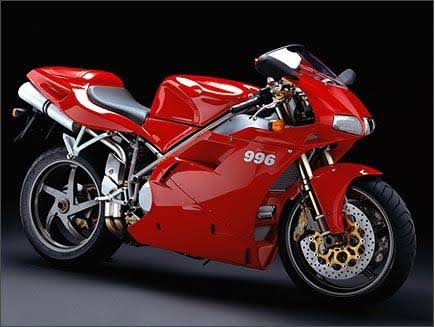
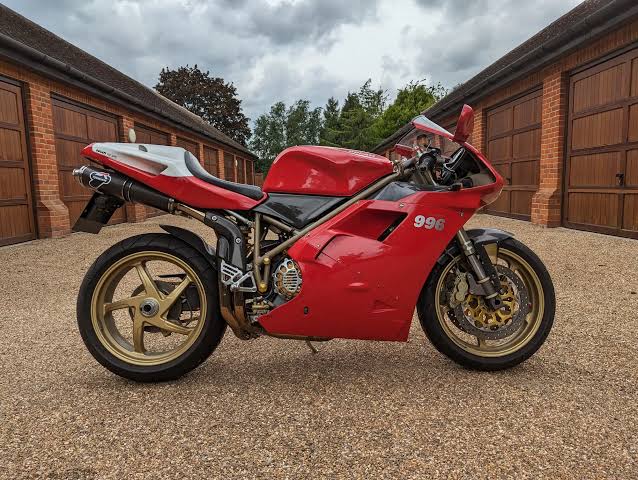
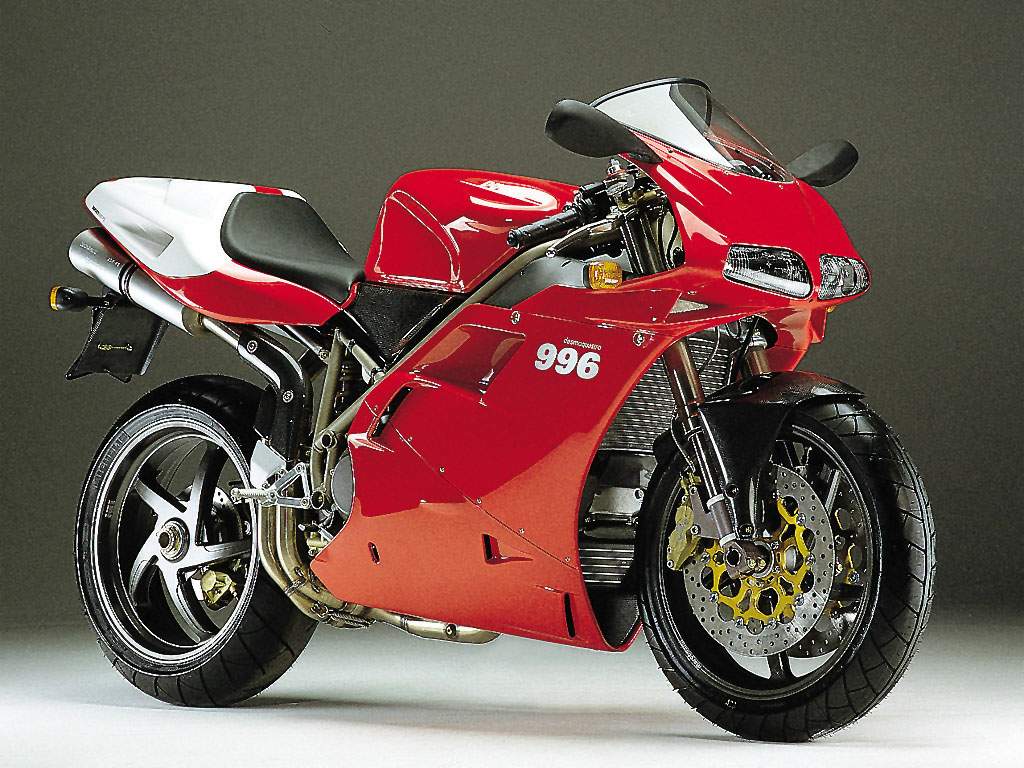
Look at the narrow headlights, the exhausts tucked beneath the seat and that unmistakable silhouette. Even standing still, it looks purposeful. There is very little about it that suggests the designer was thinking about a relaxed trip to the shops.
And that is part of its appeal.
My view is simple: the Ducati 996 deserves its legendary status because its design, engineering and racing history belong together. Its reputation has substance behind the beautiful bodywork.
Living With the Family Name
The 996 had a difficult act to follow. The Ducati 916 had already established one of motorcycling’s most recognisable shapes, and the 996 continued that family line. Ducati introduced the 996 in 1998, before the arrival of the special 996 R in 2001.
That connection can make the 996 sound like a supporting character in someone else’s story.
I think that sells it short.
There is value in knowing when a design needs development rather than replacement. The proportions still worked. The identity was clear. Ducati had something worth refining.
The 996 carried that identity forward with enough purpose to earn a following of its own.
A Shape That Still Holds Your Attention
Good design gives your eyes somewhere to go.
On the 996, you notice the front first, then follow the bodywork towards the raised tail. The exposed rear wheel and underseat exhausts finish a shape that feels remarkably complete.
For me, its greatest visual strength is restraint. Each major feature makes an impression without the whole motorcycle becoming cluttered.
You do not need a technical explanation to understand why someone would put a photograph of it on a bedroom wall.
Would it still draw a crowd if it arrived today without the Ducati name attached? I believe it would. The badge adds history, but the shape can hold its own.
The Racing History Matters
Plenty of motorcycles look ready for a circuit. The 996 family has the results to support the image.
Carl Fogarty won the 1999 World Superbike Championship on a Ducati 996. In 2001, Troy Bayliss claimed the riders’ championship aboard the factory 996 F01, helping Ducati secure the manufacturers’ title alongside teammate Rubén Xaus.
Those achievements give the motorcycle a different kind of presence.
The road bike was not the factory racer, of course. But that racing connection helps explain why the 996 means so much to supporters who watched Ducati compete during that period.
For those fans, the shape carries memories: riders, rivalries, race weekends and championships.
One Name, Important Differences
There is also a detail worth getting right when discussing the legend: every 996 was not mechanically identical.
The 2001 996 R introduced Ducati’s 998 cc Testastretta engine. Despite the number on its bodywork, its displacement was therefore greater than the name suggested.
That matters because the family is often discussed as though one specification covers every version.
The differences are part of the interest. They show a motorcycle being developed through an important period in Ducati’s history, with racing pushing the engineering forward.
Admiration Should Leave Room for Honesty
Loving an older superbike does not require pretending that modern motorcycles have achieved nothing.
I would never argue that the 996’s age automatically makes it better to ride, easier to own or more suitable for every rider. Nor should its reputation excuse neglect. A beautiful motorcycle still needs proper care.
But judging it only through a comparison of performance figures misses much of what makes people want one.
Motorcycling has always involved emotion. Appearance, sound, mechanical character and personal history all influence what stays in our minds.
The 996 brings those feelings into focus. It represents a particular idea of a superbike, and it communicates that idea with extraordinary confidence.
My Verdict: A Legend With Its Own Identity
The Ducati 996 deserves to be discussed as more than the motorcycle that followed the 916.
It developed an exceptional design, carried championship-winning credibility and helped take Ducati into the Testastretta era through the 996 R.
Most of all, it still makes people pause and look.
That may sound like a small achievement. In a world where new machines constantly compete for our attention, holding it for decades is something special.
Over to you: does the Ducati 996 deserve equal billing with the 916—or will it always live in its predecessor’s shadow?
Purchase Plastic Model Replica on our on line Store

Author: swoosh0018
Explore • Eat • Travel • Discover Football & Sports Obcessed South Africa | Worldwide 🌎 Living Life Beyond the Ordinary Blog Thats Simply Sublimevel