
There is a temptation, when visiting the Kruger National Park, to judge the day before it has properly begun. How quickly can we get through the gate? Where were the lions last seen? How far must we drive to find something worth photographing?
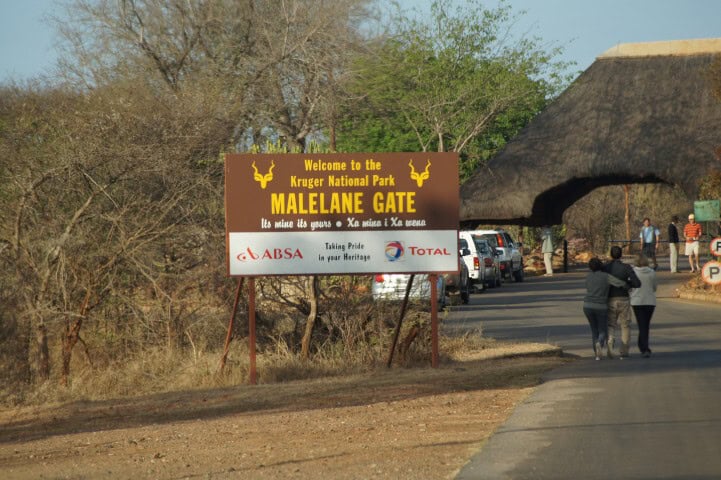
Malalane Gate invites a different approach. Arrive with curiosity, leave room for uncertainty, and allow the bush to set the pace.
Known as Malelane Gate in SANParks’ visitor information, this southern entrance is reached from the N4 near the town of Malalane. Its accessibility makes it a practical starting point for a Kruger visit. Yet its appeal deserves more than a mention in the directions.
The Crocodile River gives this part of Kruger its distinctive setting. Around nearby Malelane camp, the river separates the park’s savannah from neighbouring agricultural land. That proximity brings two landscapes into view: one shaped by cultivation and daily commerce, the other managed for conservation.
It is a useful perspective to carry through the entrance. Kruger exists alongside towns, farms, livelihoods and competing demands for land. The boundary may be clearly marked, but the responsibility for its future reaches well beyond it.
The value of an unhurried arrival
For many visitors, the first stretch of road inside the park carries enormous expectation. Every movement beside the verge seems promising. Every stopped vehicle raises the possibility of a major sighting.
That anticipation is part of the pleasure. It can also become a distraction.
A safari spent chasing somebody else’s sighting can leave little time for your own discoveries. A bird working through the branches, the shape of an old tree or the sudden stillness of animals listening can hold your attention just as completely—if you give them the chance.
Malalane is a good place to begin that adjustment. Let the journey become less about distance covered and more about what you notice.
There is no need to turn the first morning into an endurance drive. SANParks places Berg-en-Dal approximately 12 kilometres from the gate and identifies Malelane as a recommended entrance for visitors heading there or to Biyamiti. For those staying in the southern park, that offers a practical opportunity to settle into the visit gradually.
An entrance carries responsibility
A national park gate performs an ordinary administrative function: registrations, bookings, questions and directions. Behind those routines sits something more significant. Each arriving vehicle brings people whose decisions will affect the experience of others and the space wildlife has around it.
Patience should begin here.
Give staff time to do their work. Allow other visitors room. Once inside, resist the urge to crowd an animal simply because the photograph might improve by a few metres.
The privilege of access asks something of us. An encounter with wildlife should leave the animal free to continue its day.
That principle is easy to support in theory. Its real test comes when an exciting sighting draws a line of vehicles and everyone wants the best position. The quality of a visit is shaped partly by what we choose to do at that moment.
Prepare well, then loosen the schedule
Good preparation makes a slower visit possible. Check SANParks’ current gate hours and visitor notices before travelling, keep the required identification ready, and allow enough time to reach your overnight camp. Entrance and camp gates close at night, so the afternoon drive needs a sensible margin.
Once those essentials are handled, leave some space in the day.
A rigid itinerary can make every quiet kilometre feel like a disappointment. An open one allows a pause to become the highlight.
Malalane Gate’s lasting appeal lies in the beginning it offers: an accessible entrance to a place that rewards attention. The road brings you to Kruger. What happens next depends partly on your willingness to slow down.
Enter with expectations, certainly. Just leave enough room for the park to surprise you.

Author: swoosh0018
Explore • Eat • Travel • Discover Football & Sports Obcessed South Africa | Worldwide 🌎 Living Life Beyond the Ordinary Blog Thats Simply Sublimevel